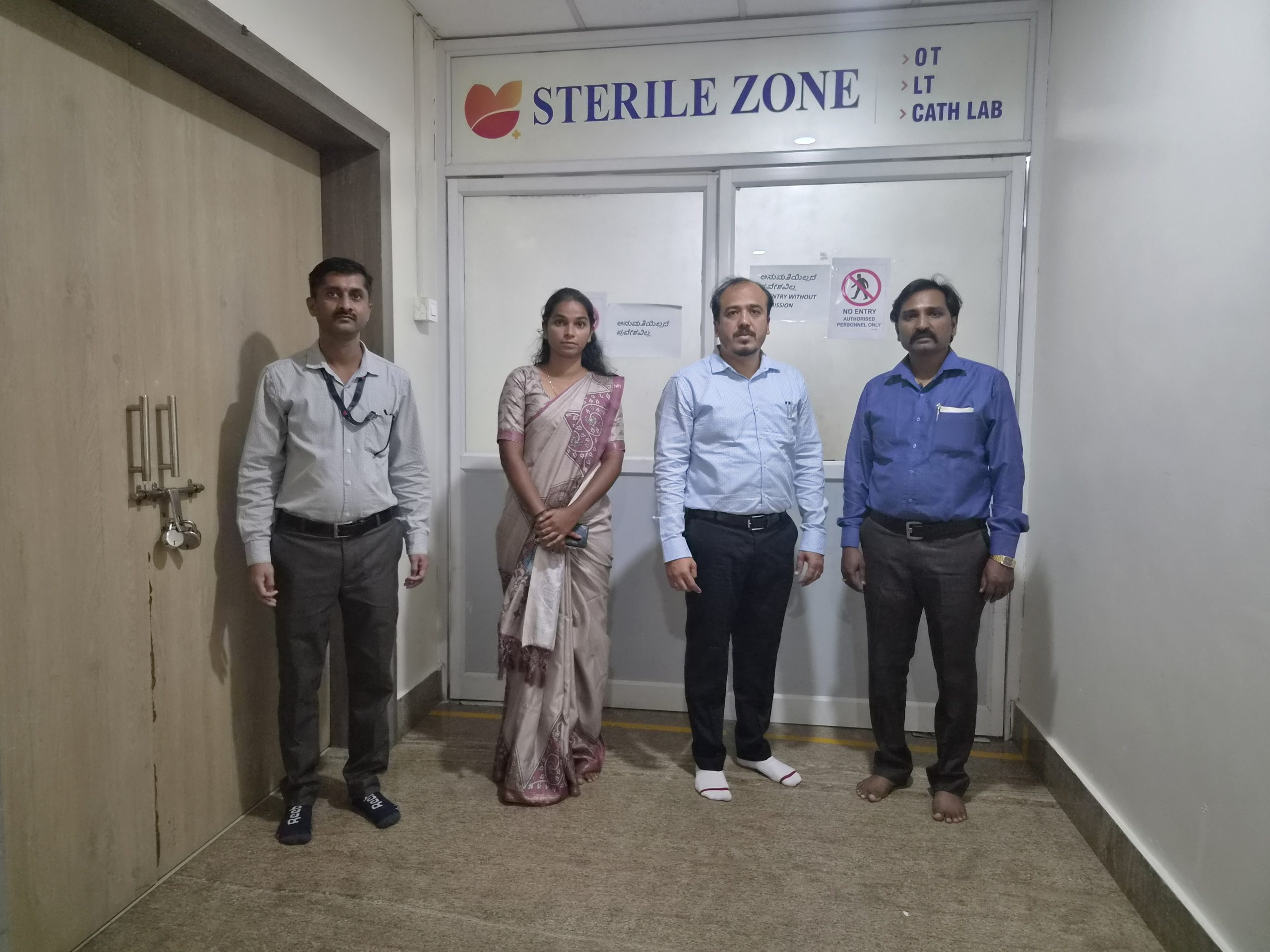
Clinical Facilities
01. Real-World Clinical Exposure
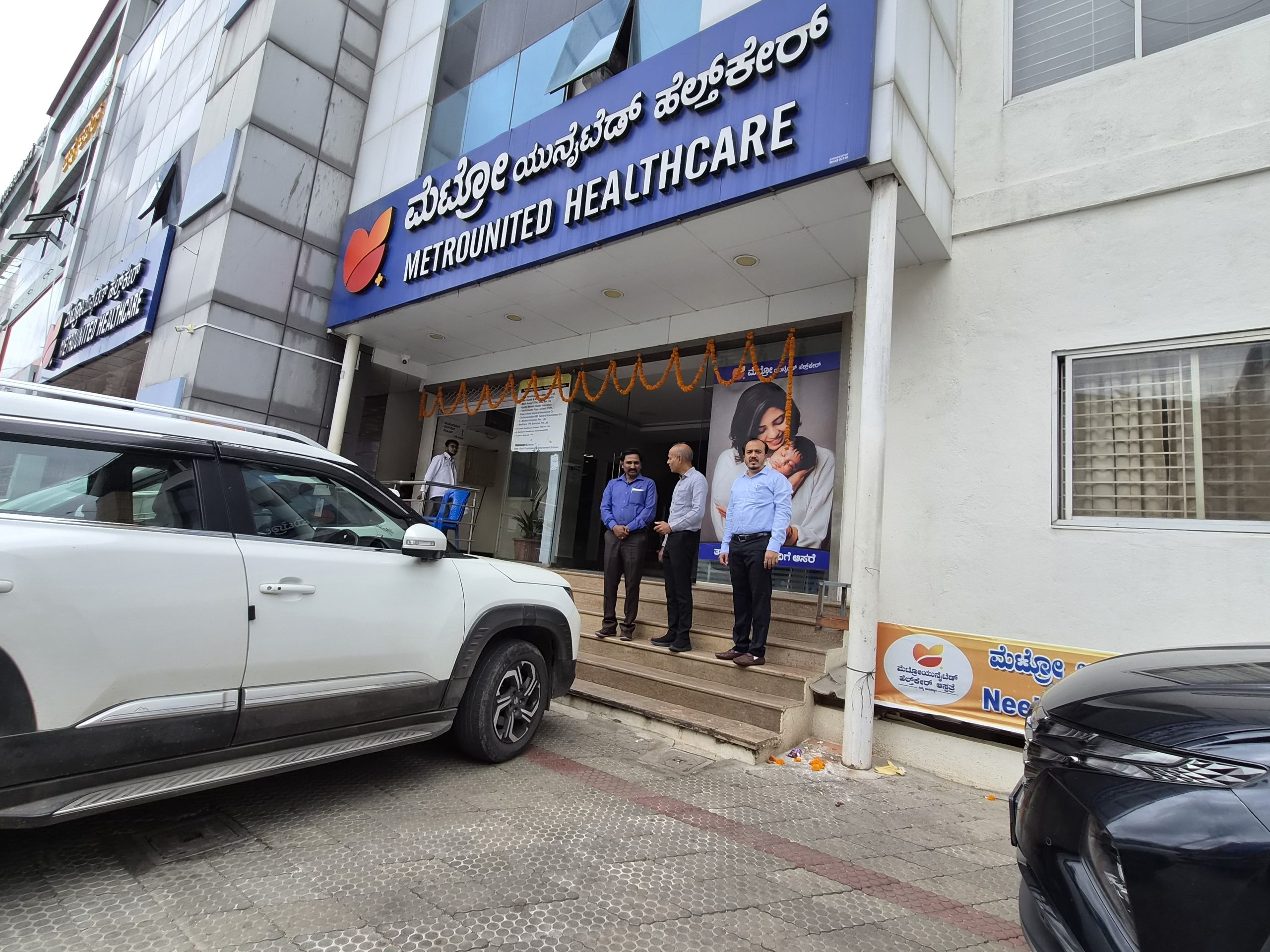
Students gain valuable hands-on experience in professional healthcare environments, giving them a clear understanding of how clinical departments function in real-world settings. This exposure helps students connect their academic knowledge with practical healthcare procedures and patient-care practices.
Through supervised clinical training, students observe and participate in day-to-day healthcare activities, understand professional responsibilities, and develop greater confidence in handling real clinical situations.
02. Hands-On Practical Learning
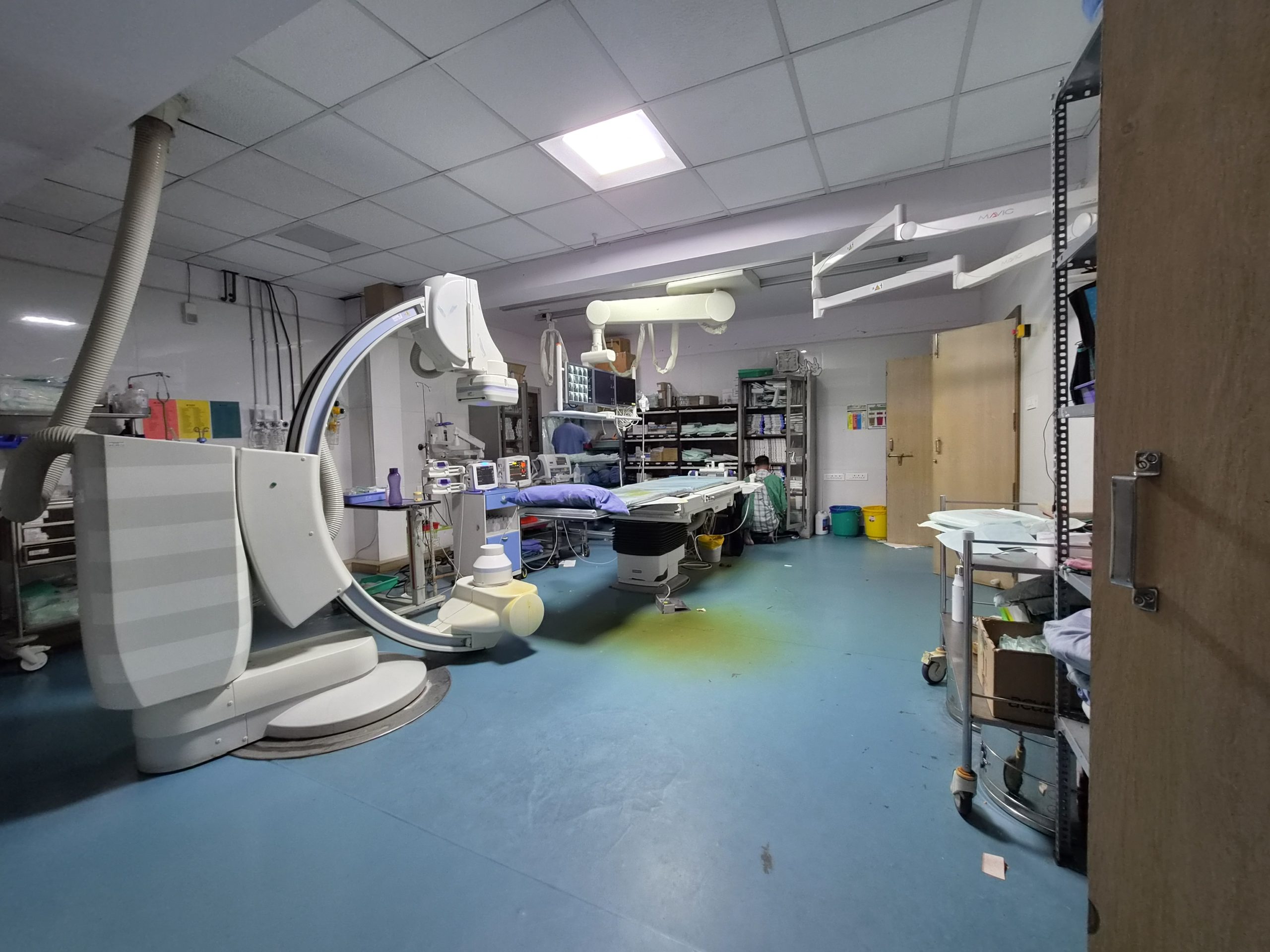
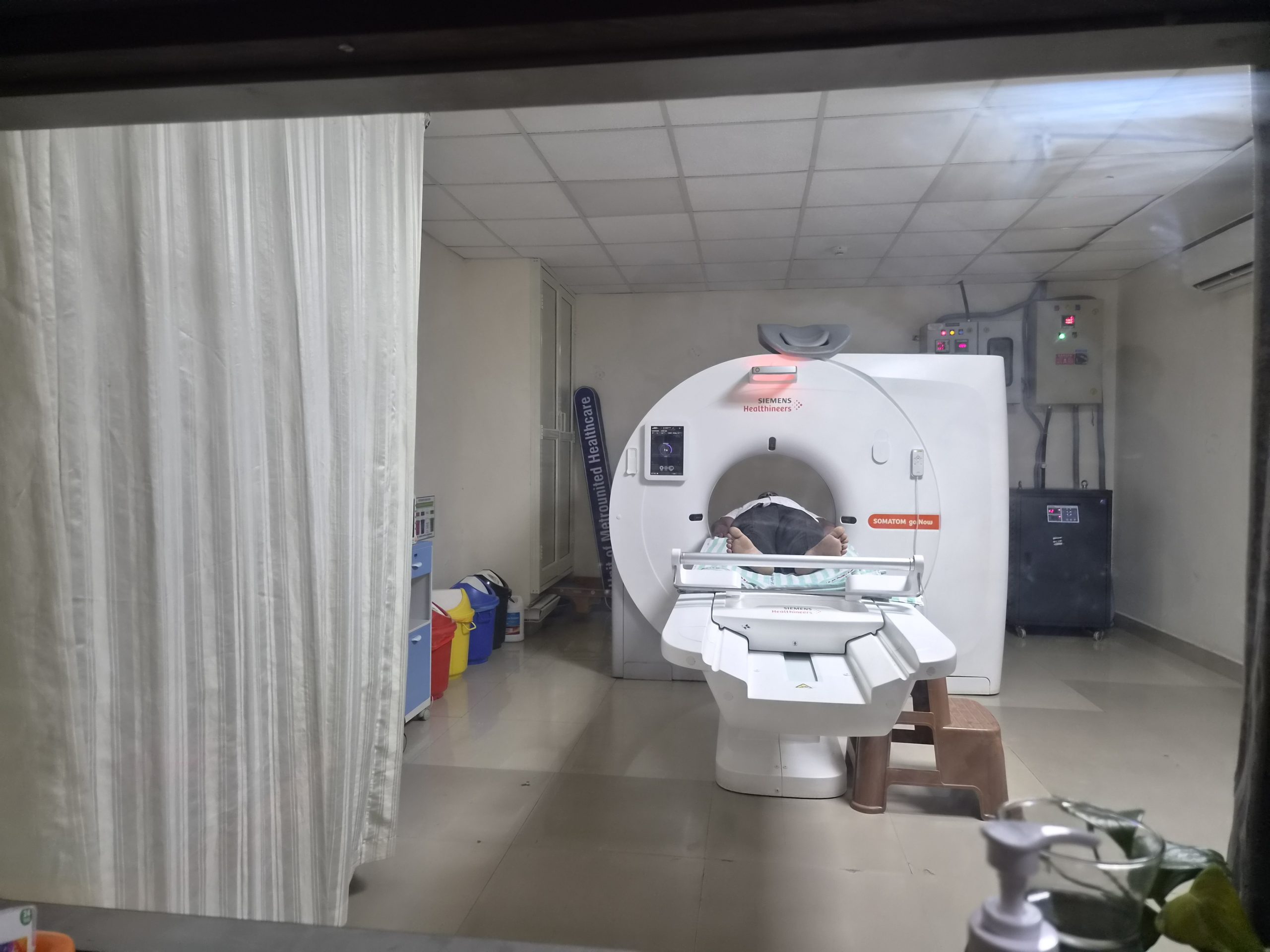
Our clinical learning approach provides students with opportunities to develop practical skills through observation, guided practice, and active participation. Students become familiar with the procedures, equipment, techniques, and safety practices relevant to their chosen allied health discipline.
Practical exposure helps strengthen their technical knowledge while developing accuracy, attention to detail, problem-solving abilities, and the confidence required to perform their responsibilities effectively.
03. Training with Healthcare Professionals
Students have the opportunity to learn in clinical environments alongside experienced healthcare professionals and trained clinical staff. This allows them to gain a better understanding of professional healthcare standards and the importance of teamwork in patient care.
Working within a professional environment also helps students develop essential skills such as communication, patient interaction, teamwork, discipline, ethical conduct, and effective coordination with doctors, nurses, and other healthcare professionals.
04. Preparing for Professional Practice
Clinical education plays an important role in preparing students for their future careers in the healthcare industry. By combining classroom learning with practical clinical exposure, students gradually develop the technical knowledge and professional confidence needed for the workplace.
The experience gained during clinical training helps students adapt to real healthcare environments, understand workplace responsibilities, follow safety and infection-control practices, and confidently take their first steps toward becoming skilled allied health professionals.